In a world where even the plastic straws are under fire, personal eco responsibility is no longer just a trendy hashtag—it’s a necessity. Imagine if everyone took small steps to reduce their carbon footprint. The planet might just breathe a little easier, and who knows? You might even save a few bucks along the way.
Understanding Personal Eco Responsibility
Personal eco responsibility involves recognizing individual actions that impact the environment. Each decision contributes to sustainability, encouraging a collective effort toward a healthier planet.
Definition and Importance
Personal eco responsibility refers to the accountability individuals have for their ecological footprint. This concept emphasizes actions that reduce resource consumption and promote waste reduction. Understanding its significance can lead to enhanced awareness of environmental issues. When individuals prioritize small changes, they collectively contribute to substantial positive outcomes. Realigning personal habits can also foster a sense of community, encouraging others to adopt eco-friendly practices. Adopting a responsible approach benefits both the environment and personal finances, leading to long-term sustainability.
Key Principles
Key principles of personal eco responsibility include conservation, reduction, and education. Conservation focuses on utilizing resources wisely to prevent depletion. Reduction involves minimizing waste through thoughtful purchasing and recycling efforts. Education empowers individuals with knowledge about sustainability, motivating them to make informed choices. Each principle supports a holistic approach to environmental stewardship. By embracing these principles, individuals can influence broader societal changes. Collaborative efforts at the individual level pave the way for impactful environmental initiatives.
Benefits of Practicing Personal Eco Responsibility
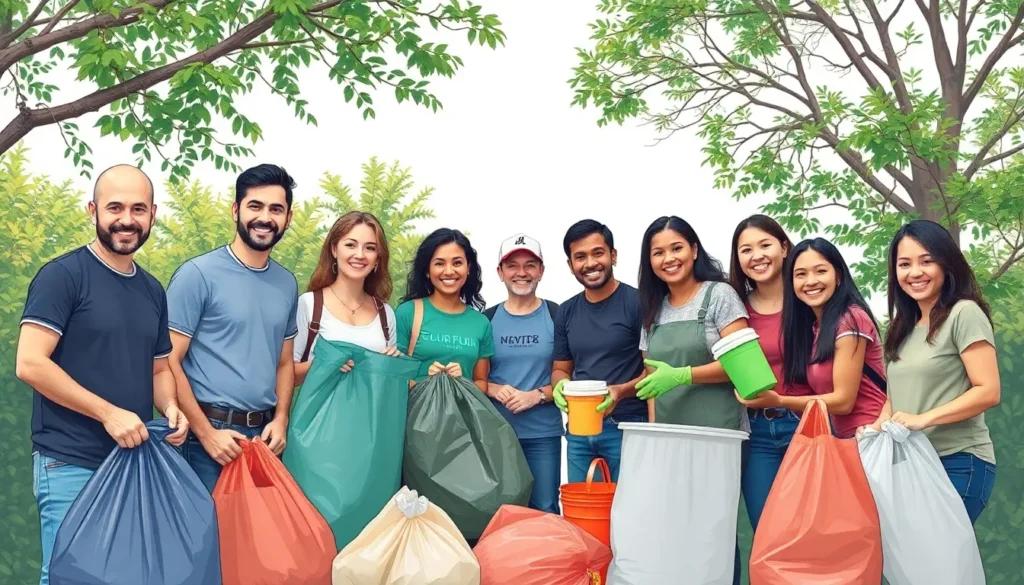
Practicing personal eco responsibility offers significant advantages for individuals and the environment. These benefits resonate through various aspects of life.
Environmental Impact
Engaging in sustainable practices directly contributes to reducing pollution and conserving natural resources. Individuals can lower carbon emissions by choosing public transport, biking, or walking instead of driving. Utilizing energy-efficient appliances and minimizing plastic use also leads to decreased waste. Communities thrive when individuals contribute to cleaner air and water. Notably, small actions aggregate into substantial changes, demonstrating the broader impact of personal decisions on environmental health.
Health and Well-being
Embracing eco-friendly habits positively influences physical and mental health. Living in cleaner environments reduces exposure to harmful pollutants, promoting better respiratory health. Additionally, consuming organic and locally sourced foods supports both personal nutrition and local economies. Individuals also experience enhanced mental well-being through outdoor activities, connecting with nature fosters mindfulness. Prioritizing these eco-conscious choices cultivates holistic wellness and supports a healthier lifestyle overall.
Ways to Enhance Personal Eco Responsibility
Personal eco responsibility can be enhanced through various practical strategies. Implementing small changes leads to significant environmental benefits.
Reducing Waste
Reducing waste involves making conscious choices. Individuals can practice recycling and composting to minimize landfill contributions. Purchasing products with minimal packaging significantly decreases overall waste. Opting for reusable bags, bottles, and containers reduces reliance on single-use options. Additionally, donating or repurposing items extends their life while benefiting others. Communities benefit from organized clean-up events that encourage collaboration and awareness about litter. Each small action accumulates to foster a more sustainable future.
Sustainable Consumption
Sustainable consumption emphasizes the importance of mindful purchasing decisions. Choosing products from eco-friendly brands promotes responsible production. Supporting local farmers through farmers’ markets reduces carbon emissions tied to transportation. Selecting organic foods not only benefits personal health but also supports sustainable agricultural practices. Conscious consumers consider the lifecycle of products, opting for those designed to minimize environmental impact. Prioritizing durable and reusable items over disposable ones contributes to sustainability. Engaging in community-supported agriculture encourages local economic growth while enhancing food security.
Energy Efficiency
Energy efficiency plays a critical role in reducing personal carbon footprints. Implementing energy-efficient appliances cuts electricity usage significantly. Simple actions like switching to LED bulbs provide substantial energy savings. Adjusting thermostats during non-peak hours can lead to reduced energy costs and lower emissions. Individuals benefit from utilizing natural light whenever possible, decreasing dependence on artificial lighting. Furthermore, sealing drafts in homes improves insulation, enhancing overall energy conservation. Renewable energy sources such as solar panels can be integrated, promoting cleaner energy alternatives. Each step towards energy efficiency contributes to a healthier planet.
Challenges to Personal Eco Responsibility
Personal eco responsibility faces numerous challenges. These hurdles can hinder individuals from committing to sustainable practices.
Common Obstacles
Time constraints often deter individuals from making eco-friendly choices. Busy schedules lead to convenience over sustainability, resulting in increased plastic use and fast fashion purchases. Additionally, limited access to sustainable products poses another barrier. Many communities lack stores that offer organic or eco-conscious items, making responsible consumption harder. Financial factors also play a crucial role; eco-friendly alternatives sometimes cost more upfront. Finally, lack of awareness about the environmental impact of everyday choices may prevent individuals from prioritizing sustainable practices.
Overcoming Barriers
Education serves as a key strategy for overcoming challenges. Increasing understanding of sustainability can motivate individuals to change their habits. Accessing resources through local workshops or online platforms provides valuable information. Engaging with community initiatives sparks collective action, encouraging mutual support among individuals. Embracing small, incremental changes fosters a more manageable approach to eco responsibility. Budgeting for sustainable products allows individuals to align their spending with their values over time. Overall, fostering a mindset of accountability empowers individuals to take meaningful steps toward environmental stewardship.
Personal eco responsibility is more than just a trend; it’s a vital commitment to the planet’s health. By making conscious choices and embracing sustainable practices, individuals can create a ripple effect that inspires others. Each small action contributes to a larger movement toward environmental stewardship.
Overcoming challenges and prioritizing eco-friendly habits can lead to significant benefits for both personal well-being and the environment. As individuals engage in sustainable practices, they not only reduce their ecological footprint but also enhance their quality of life. Ultimately, fostering a culture of personal eco responsibility paves the way for a cleaner, healthier future for generations to come.