
Ever found yourself staring at your phone, wondering how to call your voicemail? You’re not alone. It’s like trying to remember the secret handshake of a club you never joined. But don’t worry; getting to your voicemail is easier than finding a cat video on the internet.
Understanding Voicemail
Voicemail serves as a digital messaging system for phone communication. Individuals use it to store and manage voice messages when they cannot answer calls. Calls divert to voicemail when a user is unavailable, allowing callers to leave messages.
Accessing voicemail varies by carrier and device. Most often, pressing a specific key on the phone’s keypad retrieves messages. Carriers provide different methods, such as dialing a dedicated voicemail number or utilizing visual voicemail applications.
Messages play a vital role in effective communication. They allow users to listen to missed calls at their convenience. Voicemail can also prioritize urgent messages, ensuring that important communications aren’t overlooked.
Users can typically manage their voicemail settings. Changing greetings, saving messages, or deleting unnecessary ones remains straightforward. Many services offer personalized settings to enhance user experience.
Ensure to know the specific instructions based on the phone model or carrier. Most smartphones include a “Phone” app with a voicemail section for easy access. Checking user manuals or carrier websites can provide additional clarification.
Voicemail can enhance personal organization. Utilizing it effectively helps manage contacts and follow up on important calls. With proper setup, voicemail systems become invaluable tools for communication.
Different Types of Voicemail
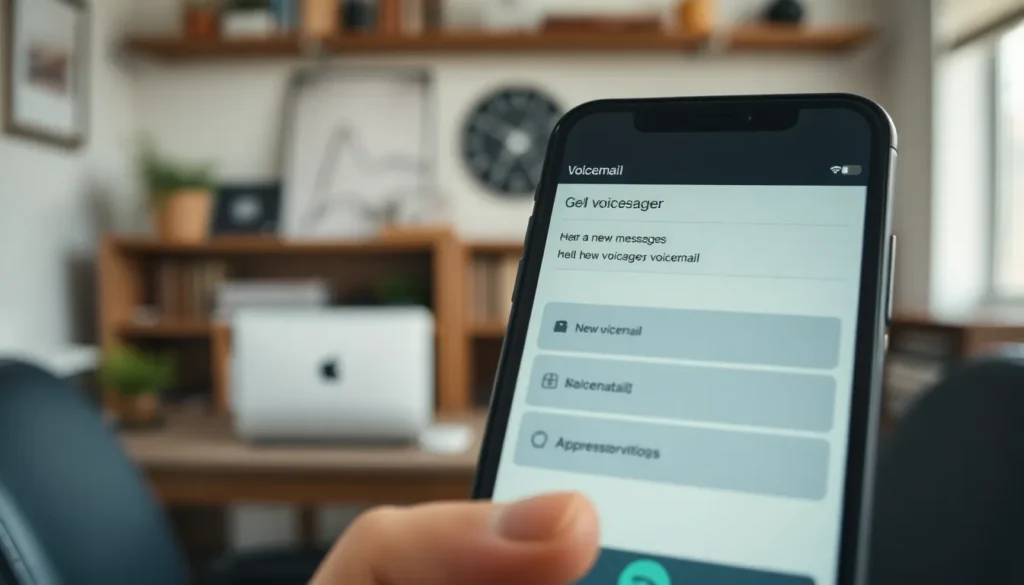
Voicemail systems vary significantly based on the provider and technology used. Understanding these types can enhance the user experience and improve communication.
Carrier-Specific Voicemail
Carrier-specific voicemail simplifies the process of storing and retrieving messages. Most mobile carriers offer built-in voicemail services that integrate seamlessly with their networks. For example, AT&T, Verizon, and T-Mobile each have unique dial-in numbers and menu options. They often design these systems to set preferences, record greetings, and manage messages. By contacting customer support or visiting the carrier’s website, users can find detailed instructions tailored to their specific voicemail system.
Third-Party Voicemail Apps
Third-party voicemail apps provide additional features beyond standard carrier offerings. Users often choose these apps for enhanced functionalities like visual voicemail or personalized greetings. For instance, apps like YouMail or Google Voice offer features to transcribe messages into text, send notifications, and block spam calls. Installation usually requires searching for the app in an app store and following its setup instructions. Users gain flexibility, allowing them to choose the voicemail experience that best fits their needs.
Steps to Call Your Voicemail
Accessing voicemail is straightforward. Follow the steps below to retrieve messages efficiently.
Using Your Phone’s Dial Pad
Open the phone app to start. Press and hold the “1” key to dial your voicemail directly. Alternatively, enter your carrier’s voicemail number if you prefer. Listen carefully to the system prompts to navigate through the menu. Options include listening to new messages, saving them, or deleting unwanted ones. If prompted, enter your password for security. Customize your voicemail settings as needed to enhance your experience.
Accessing Voicemail from Another Phone
Dial your phone number from the other device. Wait for the voicemail greeting, then interrupt it by pressing the asterisk key. Enter your password to access your messages remotely. Listen to your inbox to review missed calls and messages left for you. Options may vary based on carrier systems, but typically include deleting or saving messages. Regularly checking voicemail from different phones can help manage important messages efficiently.
Common Issues and Solutions
Accessing voicemail can sometimes present challenges. Below are common issues users face and their solutions.
Forgotten Voicemail Password
Forgetting a voicemail password happens often. Users should first check carrier websites for password recovery options. Typically, the carrier provides a reset feature that allows users to set a new password via a security question or verification code. If these steps don’t work, users can contact customer support for direct assistance. Customer service representatives can guide users through resetting their passwords without complicated procedures. Ensuring to set a memorable but secure password can prevent future issues.
Voicemail Not Appearing
Voicemail not appearing can frustrate users. Checking the phone’s settings is a good first step. Notifications may be disabled, preventing alerts from showing up on the device. Restarting the phone can also resolve minor software glitches. Users should confirm their voicemail service is active, sometimes even contacting the carrier to verify service status. Checking for any available software updates keeps devices functioning optimally. If issues persist, reaching out to customer support can provide tailored solutions based on user needs.
Voicemail is an essential tool for managing communication effectively. By understanding how to access and customize voicemail settings, users can ensure they never miss important messages. Familiarity with specific carrier instructions and features can greatly enhance the experience.
Exploring third-party apps also opens up new possibilities for voicemail management. With the right tools and knowledge, users can streamline their communication and stay organized. Regularly checking voicemail and addressing any issues promptly will lead to a more efficient and satisfying experience.