In a world where energy bills can feel like a second mortgage, energy efficiency isn’t just a buzzword—it’s a superhero in disguise. Imagine slashing those costs while saving the planet at the same time. Sounds like a win-win, right? From LED light bulbs that shine brighter than your neighbor’s ego to smart thermostats that adjust themselves while you binge-watch your favorite series, energy efficiency is all about making life easier and greener.
But wait, there’s more! Embracing energy efficiency means more than just saving a few bucks; it’s about creating a sustainable future for generations to come. So why not join the ranks of eco-warriors and make your home a champion of energy savings? With a little know-how and a dash of humor, diving into the world of energy efficiency can be as exciting as finding an extra fry at the bottom of the bag.
Understanding Energy Efficiency
Energy efficiency focuses on using less energy to provide the same service. It encompasses various practices and technologies that minimize energy consumption.
Definition of Energy Efficiency
Energy efficiency refers to the capacity to obtain a given output or function using less energy. This concept applies across numerous sectors, including residential, commercial, and industrial settings. Energy-efficient appliances, lighting, and heating systems accomplish tasks with reduced energy consumption. This approach not only lowers utility costs but also reduces greenhouse gas emissions.
Importance of Energy Efficiency
Energy efficiency holds significant importance for both individuals and the environment. Reducing energy consumption directly impacts monthly energy bills, providing financial savings. Efficient energy use lessens the strain on natural resources and decreases pollution levels. Wider adoption of energy-efficient technologies can lead to a substantial decrease in overall energy demand, stabilizing energy prices. Furthermore, embracing energy efficiency fosters a sustainable future for coming generations.
Benefits of Energy Efficiency
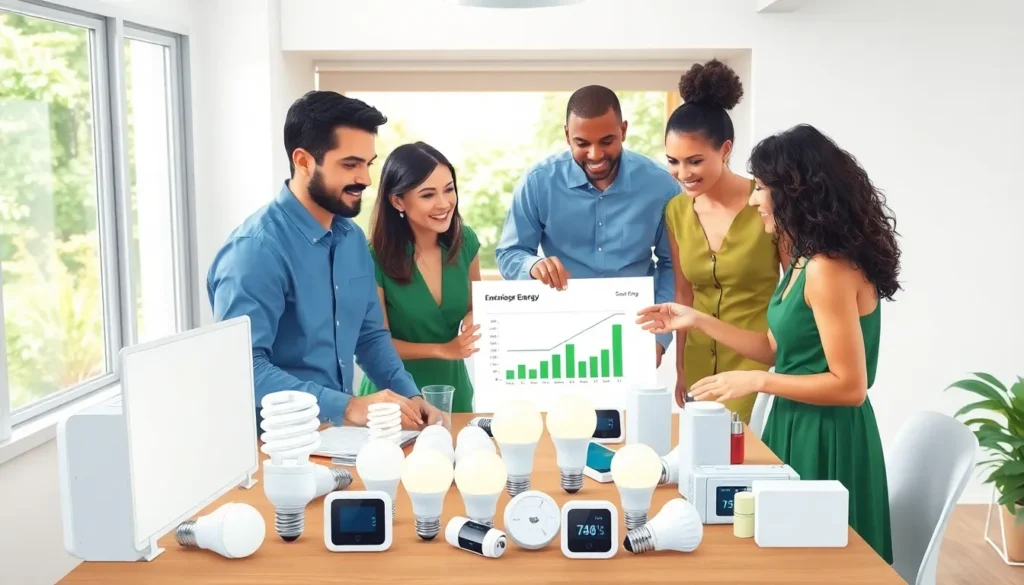
Energy efficiency provides significant advantages for both the environment and the economy. Embracing these benefits contributes to a sustainable future.
Environmental Impact
Energy efficiency plays a crucial role in reducing greenhouse gas emissions. Lower energy consumption leads to a decreased demand for fossil fuels. This shift helps mitigate climate change and its associated effects. Utilizing energy-efficient solutions, such as LED bulbs and smart appliances, directly lowers carbon footprints. Reducing pollution levels enhances air quality and supports healthier ecosystems. Energy efficiency also conserves natural resources, ensuring their availability for future generations.
Economic Advantages
Economic benefits accompany the adoption of energy efficiency practices. Annual savings on utility bills can reach significant amounts, sometimes up to 30%. Investing in energy-efficient appliances or retrofitting buildings often yields immediate financial returns. These investments attract incentives such as tax breaks and rebates, further enhancing savings. Improved energy efficiency can increase property values due to higher market demand. Creating job opportunities in energy efficiency sectors also contributes positively to local economies.
Key Areas for Energy Efficiency Improvements
Energy efficiency improvements span various sectors. Focusing on residential, commercial, and industrial settings reveals a range of opportunities.
Residential Energy Efficiency
Optimizing energy use in homes benefits both residents and the environment. Energy-efficient appliances, such as refrigerators and washing machines, reduce consumption while providing essential services. Smart thermostats enhance temperature control and further lower utility bills. Home insulation upgrades help maintain comfortable indoor climates, resulting in energy savings. Utilizing LED lighting instead of traditional bulbs significantly cuts electricity usage. Incorporating renewable energy sources, like solar panels, allows households to generate their own power while supporting sustainable practices.
Commercial Energy Efficiency
Businesses gain a competitive edge by adopting energy-efficient practices. Upgrading to energy-efficient HVAC systems reduces operational costs while enhancing comfort for employees and customers. LED lighting installations in retail spaces shrink energy expenses and improve product visibility. Implementing energy management systems enables businesses to monitor usage patterns, identifying areas for further optimization. Using energy-efficient windows and building materials lowers heating and cooling demands. Regular maintenance of equipment also prevents energy waste and supports a sustainable environment.
Industrial Energy Efficiency
Energy efficiency in industrial operations leads to significant cost savings and environmental benefits. Upgrading machinery with energy-efficient models increases productivity while using less power. Implementing process optimization techniques streamlines operations and minimizes waste. Waste heat recovery systems harness excess heat, converting it into usable energy. Scheduling regular maintenance for equipment ensures optimal performance and energy usage. Employees trained in energy-efficient practices contribute to ongoing improvements, creating a culture of sustainability within the organization.
Technologies Promoting Energy Efficiency
Innovative technologies play a vital role in enhancing energy efficiency across various sectors. These advancements not only optimize energy consumption but also contribute to environmental sustainability.
Smart Home Devices
Smart home devices significantly improve energy management within households. Devices such as smart thermostats adjust temperatures based on user habits, leading to reductions in heating and cooling costs. Smart lighting systems automatically dim or turn off when spaces are unoccupied, further conserving energy. Energy monitoring systems provide real-time feedback on consumption, empowering users to identify usage patterns and make informed decisions. Overall, these devices streamline home energy management, enhancing convenience while minimizing resource use.
Renewable Energy Sources
Renewable energy sources serve as powerful alternatives to traditional fossil fuels, promoting sustainability. Solar panels, for instance, harness sunlight to generate electricity, reducing reliance on grid power. Wind turbines capture wind energy to produce clean, renewable electricity. Hydroelectric systems utilize flowing water to generate power, providing stable energy solutions. Incorporating these resources into energy systems not only mitigates greenhouse gas emissions but also supports energy independence. Together, renewable energy technologies underpin a robust strategy for a more energy-efficient future.
Challenges in Implementing Energy Efficiency
Implementing energy efficiency faces several challenges that can hinder widespread adoption.
Initial Costs
Initial costs often deter individuals and businesses from pursuing energy-efficient upgrades. Energy-efficient appliances and systems typically require significant upfront investments. These costs can lead to financial constraints, especially for low-income households. Though long-term savings on utility bills provide a return on investment, the immediate expense creates hesitance. This challenge is more pronounced in commercial and industrial sectors, where larger-scale projects entail even higher expenses. Incentive programs and financing options can help alleviate some of this burden. Entities can seek tax credits or rebates to offset costs, encouraging the adoption of energy-efficient technology.
Public Awareness
Public awareness remains a crucial barrier to adopting energy-efficient practices. Many consumers lack knowledge about the benefits and availability of energy-efficient options. Without a strong understanding of potential savings and environmental impacts, individuals may not prioritize energy efficiency. Awareness campaigns can play an essential role in educating the public about significant benefits, such as reduced utility bills and improved quality of life. Collaborations between governments, non-profits, and businesses can enhance information dissemination. Engaging communities through workshops and informational sessions fosters a culture of energy efficiency, encouraging collective action.
Embracing energy efficiency is not just a smart financial decision but a vital step toward a sustainable future. By implementing energy-efficient technologies and practices, individuals and businesses can significantly reduce their energy consumption and environmental impact. The journey toward energy savings can be both rewarding and engaging, offering numerous benefits such as lower utility bills and improved air quality.
Overcoming challenges like initial costs and raising public awareness will be essential for widespread adoption. With innovative solutions and collective effort, society can pave the way for a greener, more energy-conscious world. The choices made today will shape the environment for generations to come.