In a world where knowledge is power, academic learning stands as the superhero of personal and professional growth. It’s not just about memorizing facts or acing those dreaded exams; it’s about unlocking the doors to new ideas and opportunities. Imagine strutting into a job interview armed with insights that make you the most interesting candidate in the room—talk about a power move!
Understanding Academic Learning
Academic learning encompasses the systematic acquisition of knowledge through education. It involves engaging with concepts, theories, and disciplines that shape critical thinking and problem-solving skills.
Definition of Academic Learning
Academic learning refers to the structured process through which individuals gain knowledge and skills from formal educational settings. It includes various forms such as classroom instruction, online courses, and workshops. Exposure to diverse subjects fosters intellectual growth, equipping learners with essential tools for future endeavors.
Importance of Academic Learning
Academic learning plays a pivotal role in personal and professional growth. It enhances an individual’s ability to think critically and creatively when faced with challenges. Research indicates that educated individuals tend to earn higher salaries, with college graduates earning 57 percent more than those without a degree. Moreover, academic learning prepares individuals for competitive job markets and promotes lifelong learning. Knowledge gained through academic channels encourages adaptability and innovation in rapidly evolving industries.
Key Components of Academic Learning
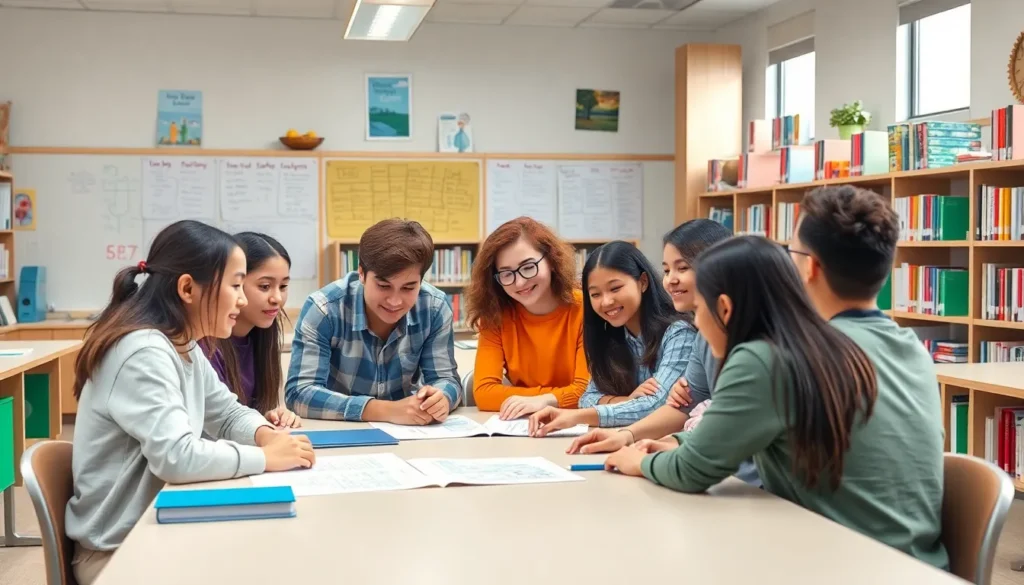
Academic learning comprises various essential components that contribute significantly to overall development. Engaging with these elements supports the growth of knowledge and skills necessary for success in both personal and professional arenas.
Cognitive Skills
Cognitive skills play a crucial role in academic learning. They include critical thinking, problem-solving, and analytical abilities. These skills empower individuals to evaluate information effectively, understand complex concepts, and apply knowledge in different contexts. Research highlights that students who actively develop cognitive skills excel in academic environments and are better prepared for future challenges. Strategies such as active learning and collaborative projects enhance these abilities, ensuring a deeper understanding of the material. Ultimately, strong cognitive skills lead to improved academic performance and greater potential in various career paths.
Social Skills
Social skills are another fundamental aspect of academic learning. Effective communication, teamwork, and empathy are key components that enhance interpersonal relations. Students cultivate social skills through group discussions, collaborative projects, and peer interactions. These experiences foster relationship-building and conflict resolution, vital for success in any workplace. Additionally, research indicates that individuals with strong social skills enjoy better job prospects and work more effectively in diverse teams. Emphasizing social skills within academic settings prepares students for real-world scenarios, making them more adaptable and competitive in the job market.
Strategies for Enhancing Academic Learning
Enhancing academic learning involves employing a variety of strategies. Effective methods empower learners to engage deeply with content and develop critical skills.
Active Learning Techniques
Active learning techniques transform passive study habits into engaging experiences. Implementing group discussions encourages peer-to-peer interaction and idea exchange. Incorporating case studies promotes real-world applications of theoretical concepts. Additionally, hands-on projects help students solidify their understanding through practical experience. Uniting these methods enhances critical thinking and problem-solving abilities, essential for academic success.
Technology in Academic Learning
Technology integration plays a vital role in modern academic learning. Utilizing online resources provides access to diverse materials, stimulating student interest. Incorporating virtual classrooms fosters collaborative learning environments that transcend geographical boundaries. Furthermore, educational apps and platforms offer personalized learning experiences tailored to individual needs. Leveraging such tools enhances engagement and improves overall academic performance.
Challenges in Academic Learning
Academic learning faces several challenges that can hinder students’ progress. Understanding these obstacles helps in developing effective strategies for overcoming them.
Learning Disabilities
Learning disabilities significantly impact students’ ability to absorb information. Conditions like dyslexia and ADHD can interfere with reading, writing, and organizational skills. Tailored teaching methods often prove beneficial in accommodating diverse learning needs. Specialized resources, such as tutoring and assistive technology, enhance educational access. Recognizing learning disabilities early leads to better support and interventions, making a substantial difference in academic outcomes.
Environmental Factors
Environmental factors play a critical role in academic performance. Students from low-income backgrounds may lack access to essential resources, such as technology and quiet study spaces. Family involvement in education often influences academic achievement as well. Schools located in supportive communities provide enriched learning environments, fostering student engagement and success. Mental health issues tied to environmental stressors, such as instability or bullying, can further complicate the learning process. Addressing these factors creates a more conducive atmosphere for academic growth.
Academic learning is more than just acquiring knowledge; it shapes individuals into critical thinkers and problem solvers ready to face real-world challenges. By engaging with diverse subjects and employing active learning strategies, students enhance their cognitive and social skills, making them more competitive in the job market.
Addressing the challenges that hinder academic progress is essential for fostering an inclusive learning environment. With the right support and resources, every student can unlock their potential and thrive. Ultimately, academic learning serves as a powerful catalyst for personal and professional growth, paving the way for a successful future.