In a world overflowing with stuff, minimalism offers a refreshing escape. Imagine a life where clutter doesn’t rule the roost and every item has a purpose. It’s not just about tossing out old socks; it’s about creating a space that sparks joy and makes room for what truly matters.
Minimalism isn’t just for hipsters in turtlenecks sipping overpriced lattes. It’s for anyone who’s tired of drowning in a sea of possessions. With the right tips, anyone can embrace this lifestyle and discover the freedom that comes with simplicity. So grab your favorite mug—preferably one of the five you actually use—and let’s dive into some practical, yet amusing, minimalism tips that’ll help declutter both your home and your mind.
Understanding Minimalism
Minimalism embodies a lifestyle choice that promotes living with less and focusing on what truly matters. The philosophy encourages individuals to reduce distractions caused by excess possessions, fostering clarity and peace. Clutter not only occupies physical space but also mental space, leading to increased stress.
Creating a purposeful environment holds significant importance in minimalism. Each item within a space should serve a specific function or bring joy. Prioritizing quality over quantity emerges as a core principle. Individuals aiming for minimalism often start by assessing their belongings and making deliberate choices about what to keep.
Simplicity reflects in various aspects of life, including finances, relationships, and time management. Embracing minimalism may lead to more meaningful connections with others and improved focus on personal goals. Engaging in minimalism sparks creativity and enhances overall well-being since it removes the burden of countless distractions.
Understanding one’s values also plays a crucial role. By identifying what truly matters, individuals create more fulfilling lives. This clarity leads to better decision-making and a deeper sense of satisfaction.
Minimalism is not a one-size-fits-all approach. Each person’s journey can involve different steps and outcomes. Some individuals may thrive with fewer items while others might find balance in curated collections. What matters is the intention behind each choice, guiding individuals toward a more intentional way of living.
Benefits of Minimalism
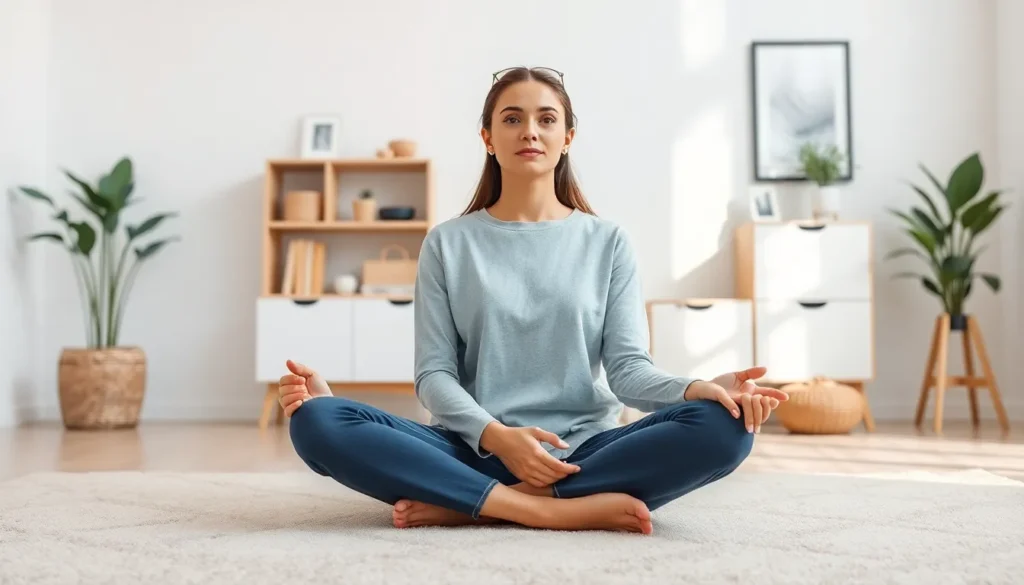
Minimalism provides numerous advantages that enhance overall well-being. Individuals experience less stress and greater joy when focusing on what’s essential.
Mental Clarity
Minimalism fosters mental clarity by reducing distractions. A clutter-free environment allows individuals to think more clearly and concentrate better. Each item in a space serves a purpose, supporting productivity and reducing cognitive overload. Fewer possessions lead to fewer decisions, simplifying daily routines and promoting a calm mindset. Mindfulness often increases as individuals embrace simplicity, enabling deeper connections with personal values. This clarity supports personal growth and improved decision-making in various life aspects.
Financial Savings
Financial savings accumulate through minimalism by encouraging thoughtful purchasing. Individuals prioritize quality over quantity, resulting in fewer, high-value items. Budgeting becomes easier as spending habits shift toward essential purchases. Less clutter means reduced maintenance and storage costs, freeing up financial resources for more meaningful experiences and investments. Minimalism also promotes a sustainable lifestyle, where individuals invest in items that last longer and create less waste. This approach not only enhances financial stability but also contributes to a more responsible way of living.
Minimalism Tips for Beginners
Embracing minimalism starts by rethinking possessions and routines. A fundamental aspect involves decluttering physical spaces.
Decluttering Your Space
Identify spaces that cause stress due to clutter. Focus on one area, such as a closet or desk, to tackle the mess. Remove items that don’t serve a purpose or bring joy. Consider donating or recycling unwanted goods. Use storage solutions that keep frequently used items accessible and organized. Create a system that regularly assesses belongings, ensuring each item remains essential. Maintaining a tidy space promotes clarity and reduces distractions.
Mindful Consumption
Mindful consumption encourages intentional purchasing. Before acquiring new items, evaluate the necessity and purpose. Prioritize quality over quantity, opting for durable products. Research purchases to avoid impulsive decisions and align with personal values. Set specific limits on new acquisitions to reduce clutter over time. Challenge the habit of buying for the sake of ownership; instead, seek experiences that enrich life. By practicing mindful consumption, individuals cultivate a sustainable lifestyle that prioritizes well-being.
Maintaining a Minimalist Lifestyle
Minimalism requires ongoing effort and commitment for lasting change. Implementing specific strategies helps maintain a simplified and intentional lifestyle.
Setting Boundaries
Establishing clear boundaries is essential for sustaining minimalism. Those living a minimalist lifestyle can start by determining limits on possessions, including decor or clothing. Prioritizing meaningful items over unnecessary ones leads to greater satisfaction. Creating rules around purchases prevents clutter from accumulating. For instance, adopting a one-in-one-out policy ensures each new acquisition replaces an existing item. Commit to assessing belongings regularly, perhaps monthly. This approach keeps living spaces organized while reinforcing the minimalist mindset.
Creating a Capsule Wardrobe
Developing a capsule wardrobe simplifies daily choices and highlights personal style. A capsule wardrobe typically consists of versatile pieces that mix and match easily. Choosing around 30 to 40 clothing items helps maintain focus on essentials while minimizing distractions. Prioritizing quality over quantity ensures each item withstands wear and enhances overall style. Investing in timeless pieces creates a cohesive and functional wardrobe. Evaluating individual needs and lifestyle plays a crucial role in identifying essential items. This strategy leads to less stress during outfit selection and fosters a sense of ease and confidence.
Embracing minimalism can transform daily life in profound ways. By prioritizing what truly matters and reducing distractions, individuals can cultivate a sense of peace and clarity. This intentional lifestyle encourages thoughtful choices that enhance well-being and foster meaningful connections.
With practical tips and a commitment to ongoing reflection, anyone can embark on their unique minimalist journey. Whether through decluttering spaces or adopting mindful consumption habits, the benefits of minimalism extend beyond physical possessions. It’s about creating a life filled with purpose and joy, ultimately leading to personal growth and fulfillment.