In a world where being eco-friendly often feels like a chore, smart green living is here to save the day—and maybe even your sanity. Imagine a lifestyle that not only helps the planet but also makes your life easier and more enjoyable. It’s like having your cake and eating it too, but this cake is made of organic ingredients and served on a solar-powered plate.
What Is Smart Green Living?
Smart green living refers to adopting sustainable practices that enhance daily life while benefiting the environment. Individuals incorporate eco-friendly habits into their routines to reduce their carbon footprint. Strategies might include using energy-efficient appliances, utilizing renewable energy sources, and minimizing waste through recycling and composting.
Urban dwellers often find that smart green living transforms their apartments into eco-friendly havens. Incorporating vertical gardens, efficient lighting, and natural materials not only reduces environmental impact but also enhances aesthetics. This lifestyle empowers people to contribute to a healthier planet while enjoying the rewards of sustainability.
Communities thrive when residents embrace smart green living. Shared spaces often feature gardens and composting facilities, promoting collective responsibility towards the environment. Social activities like carpooling and local clean-up events foster connections and raise awareness about environmental issues.
Overall, smart green living emphasizes simplicity and enjoyment. The approach makes eco-conscious decisions easier, encouraging engagement without the burden of strict guidelines. For many, living sustainably becomes a gratifying journey that aligns personal values with environmental stewardship.
Benefits of Smart Green Living
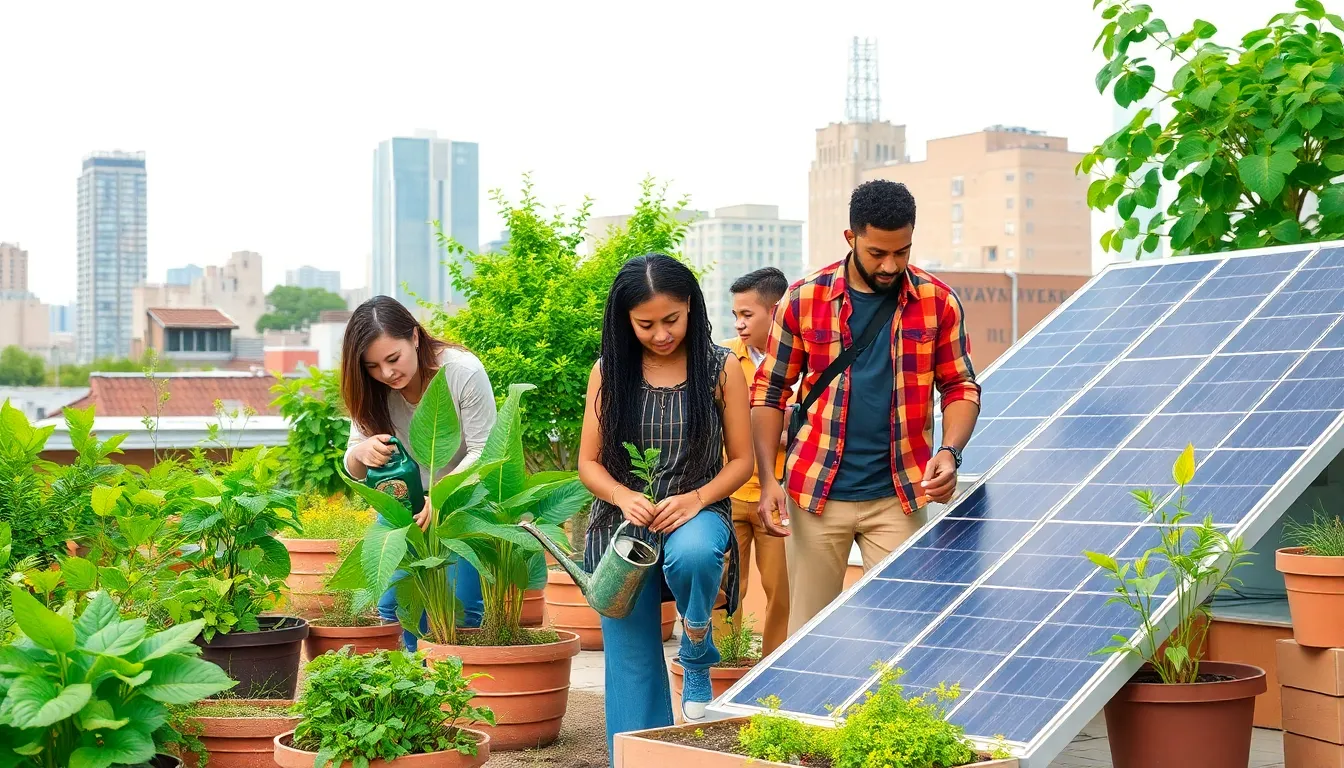
Smart green living offers numerous benefits for individuals and communities alike. These advantages extend to environmental, economic, and social dimensions.
Environmental Impact
Smart green living significantly reduces carbon emissions. Implementing energy-efficient appliances lowers energy consumption, leading to decreased greenhouse gas emissions. Utilizing renewable energy sources, such as solar or wind energy, minimizes reliance on fossil fuels. Moreover, minimizing waste through recycling and composting plays a crucial role in conserving natural resources. Urban gardens contribute to biodiversity and air quality enhancement. Residents creating green spaces help combat urban heat islands and promote ecological balance. Each of these actions leads to a healthier planet for future generations.
Economic Advantages
Smart green living provides tangible financial savings. Energy-efficient appliances and renewable energy systems often result in lower utility bills. Investing in sustainable practices can offer tax incentives or rebates. Many communities promote green initiatives that enhance property values, making homes more attractive to buyers. Additionally, supporting local businesses promotes economic growth while reducing carbon footprints. Sustainable practices create job opportunities within eco-friendly sectors. Engaging in smart green living ultimately supports both individual financial stability and community prosperity.
Key Components of Smart Green Living
Smart green living incorporates specific practices that promote sustainability and enhance daily life. This lifestyle focuses on energy efficiency, the use of sustainable materials, and seamless integration of smart technologies.
Energy Efficiency
Energy-efficient appliances significantly lower energy consumption and utility costs. They often use advanced technologies that maximize output while minimizing waste. Upgrading to Energy Star rated products can yield substantial savings over time. Incorporating LED lighting additionally reduces energy usage and lasts longer than traditional bulbs. Choosing renewable energy sources, such as solar panels, provides a sustainable energy solution that decreases reliance on fossil fuels.
Sustainable Materials
Sustainable materials play a crucial role in reducing environmental impact. Products made from recycled or responsibly sourced materials help conserve natural resources. Organic textiles, for instance, minimize pesticide use and promote healthier living environments. Opting for bamboo furniture presents an eco-friendly alternative due to its rapid growth and renewability. Using non-toxic, biodegradable cleaning supplies further enhances the eco-friendliness of a household.
Smart Technology Integration
Smart technology integration streamlines daily routines while promoting sustainability. Smart thermostats optimize heating and cooling, reducing energy waste. Automated lighting systems can be programmed to minimize energy use during peak hours. Smart water management systems help monitor and conserve water, decreasing overall consumption. These innovations support a more sustainable lifestyle and enhance overall home efficiency.
Tips for Implementing Smart Green Living
Adopting smart green living practices can significantly enhance sustainability efforts at home. Key solutions and eco-friendly habits support this lifestyle.
Home Automation Solutions
Implementing home automation solutions transforms energy management. Smart thermostats adjust heating and cooling based on usage patterns, resulting in energy savings of up to 10-15%. Automated lighting systems efficiently manage power consumption by using sensors that detect occupancy. Smart appliances, designed to optimize energy use, reduce unnecessary power consumption during peak hours. Homeowners can monitor energy usage through mobile apps, providing insights that promote efficient practices. Together, these technologies streamline daily routines while fostering a more environmentally friendly home.
Eco-Friendly Practices
Incorporating eco-friendly practices into daily routines creates a positive environmental impact. Composting organic waste significantly minimizes landfill contributions and enriches soil health. Choosing reusable products like water bottles and shopping bags helps reduce plastic waste. Implementing a recycling system at home enables proper disposal of materials, making a tangible difference. Additionally, embracing local, organic food supports sustainable agriculture while reducing carbon footprints related to transportation. Each of these practices contributes to a healthier planet and encourages community engagement in environmental stewardship.
Smart green living offers a transformative approach to sustainability that’s both practical and enjoyable. By seamlessly integrating eco-friendly practices into daily life, individuals not only reduce their carbon footprints but also enhance their quality of life. This lifestyle promotes a sense of community and shared responsibility, fostering connections among those committed to environmental stewardship.
Embracing energy-efficient technologies and sustainable materials leads to significant financial savings while supporting local economies. As more people adopt these practices, the collective impact on the environment becomes increasingly profound. Ultimately, smart green living is not just about making choices; it’s about creating a fulfilling and responsible way of life that benefits both individuals and the planet.